LATEST

Explained

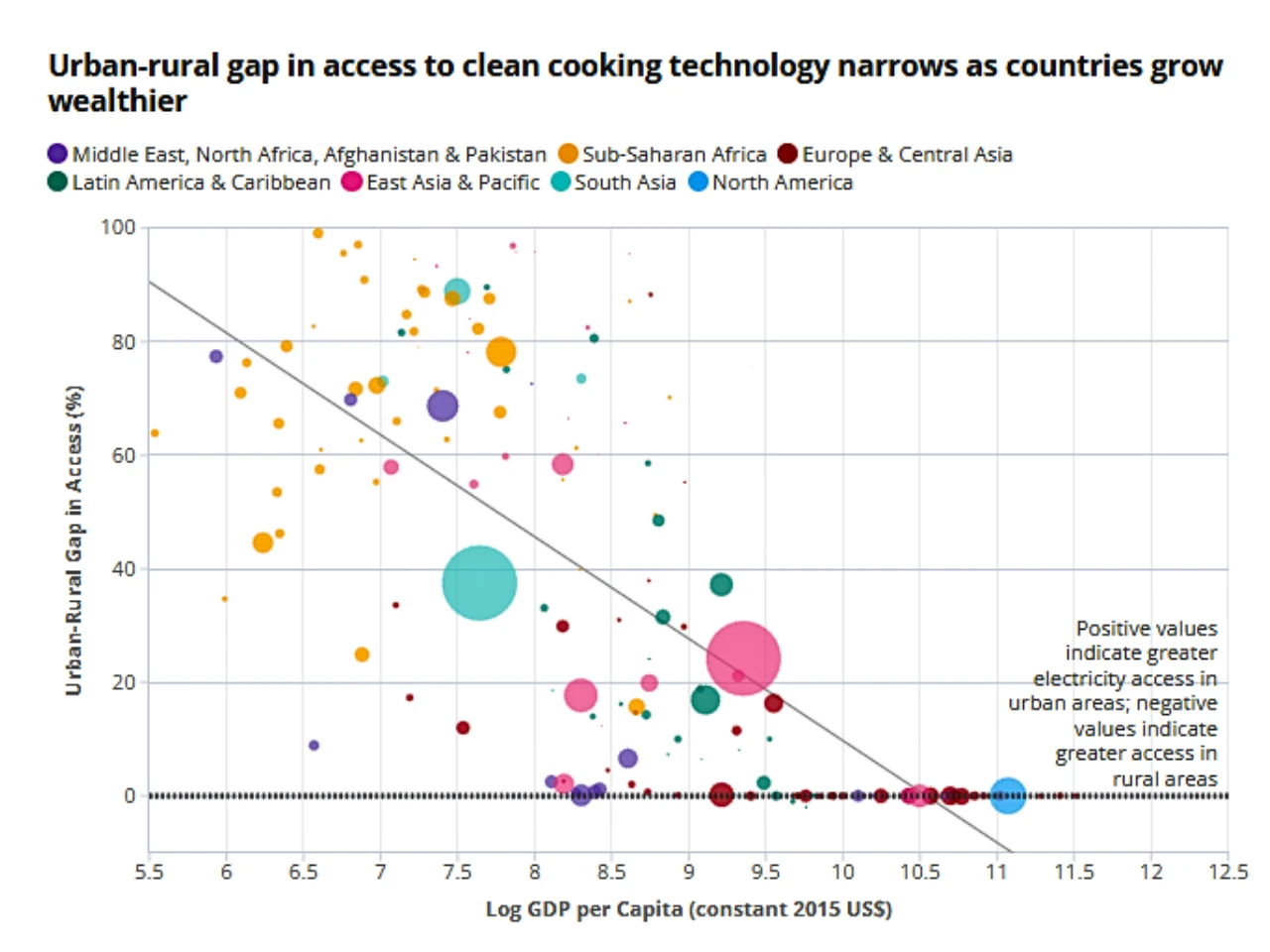
The image represents graph about urban and rural gap
Explained ·Mar 9, 2026

Rural Areas Left Behind: 44% of World Lives Without Access to Basic Necessities

Over the last sixty years, the world has encountered dramatic demographic change. Since 1960, the percentage of people living in rural areas has steadily declined due to the expansion of cities and the overall advance and speed of urbanization globally. In 2008, the majority of the world lived in rural areas while they maintained their lives, but without warning, worldwide populated urban areas dramatically increased their majority share.

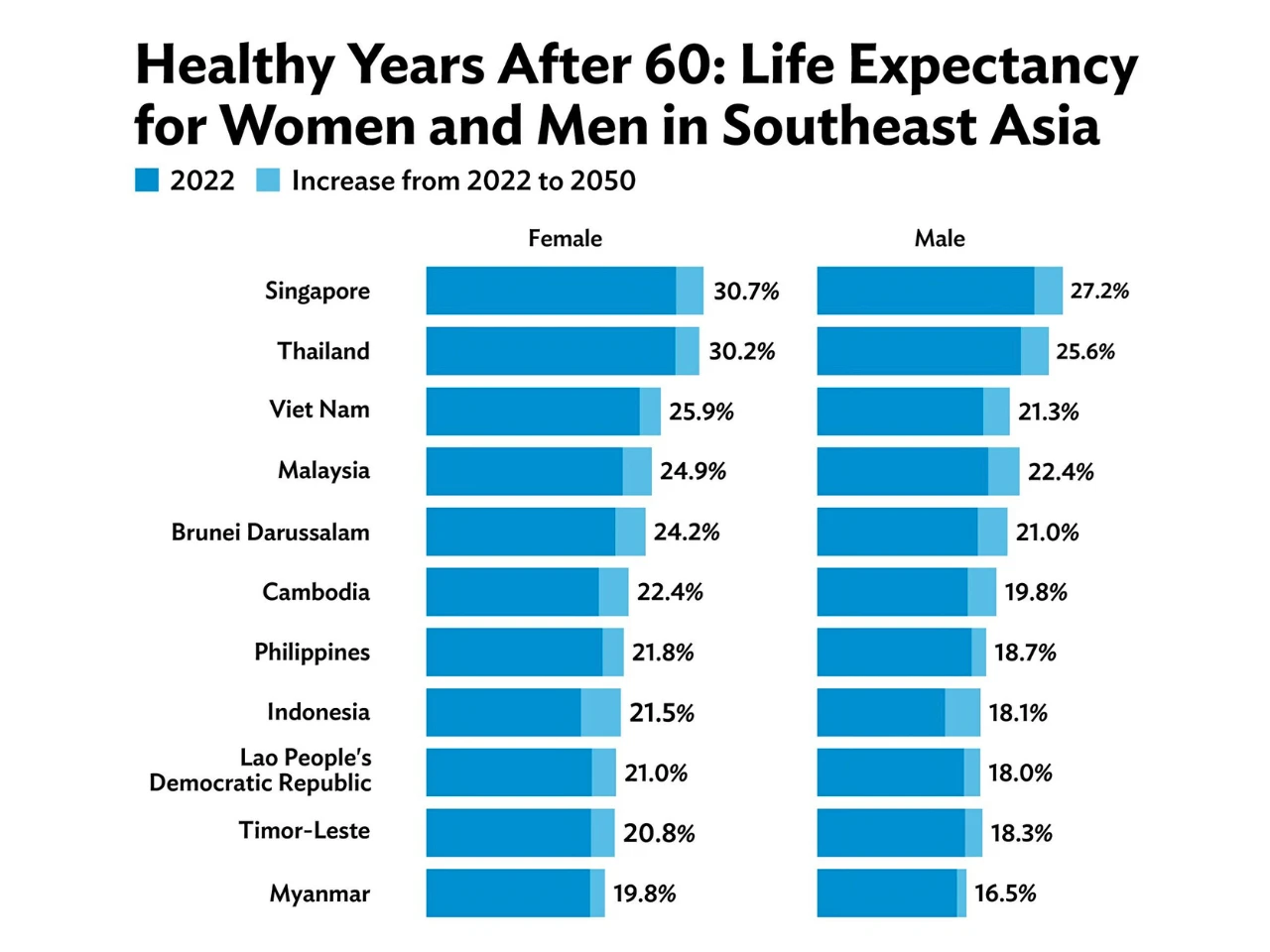
The image represents graph Aging Population Set to Double by 2050
Explained ·Mar 8, 2026

Philippines' Aging Population Set to Double by 2050: Can the Country Keep Pace?

The Philippines is in demand for a demographic change that will reopen the priorities of its economy, society, and public policy. The number of old Filipinos is expected to double by the year 2050, which creates pressure on the nation’s health care systems, elderly care services, and pension schemes.

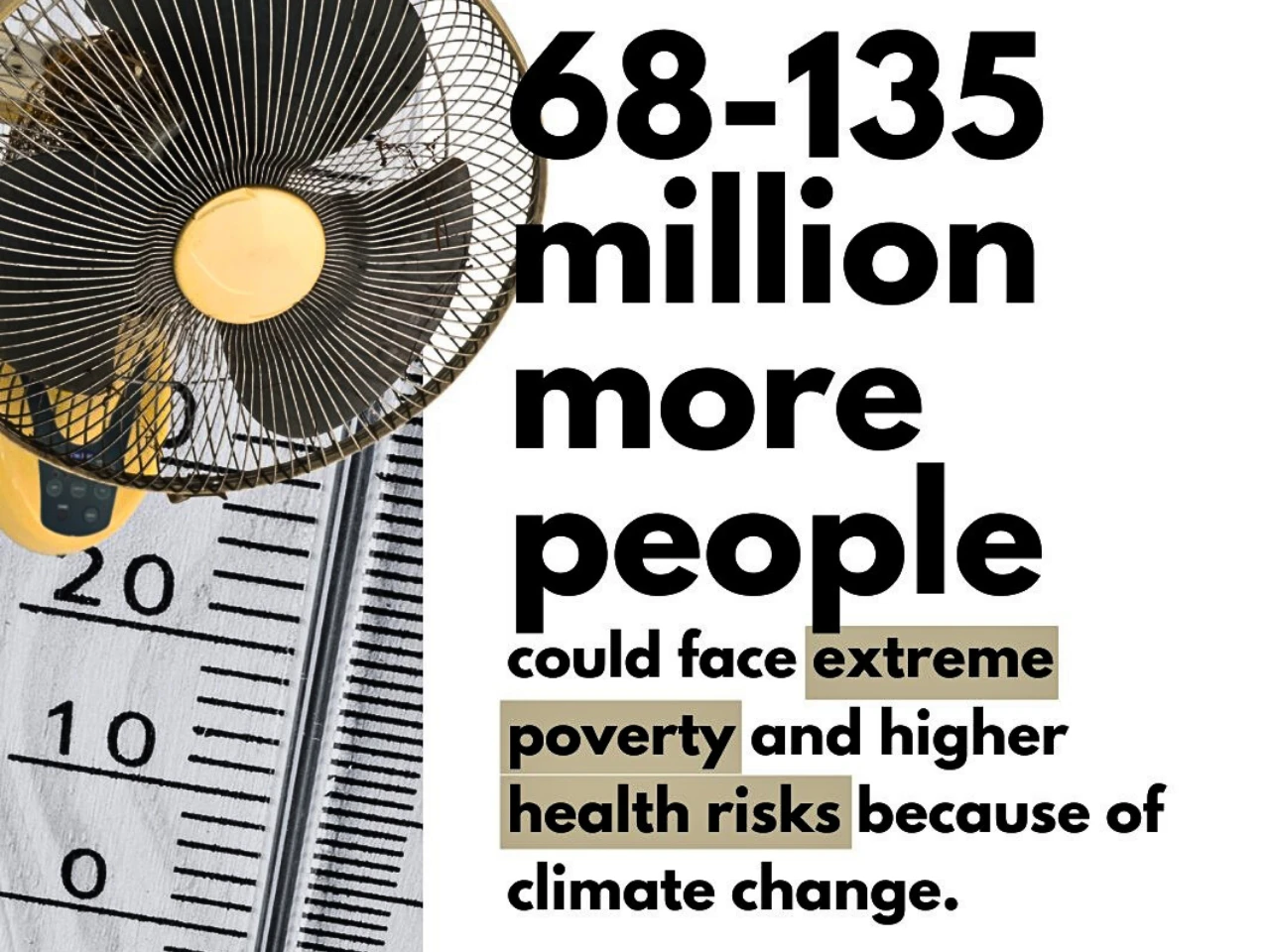
The image represents heat make productivety loss dialog
Explained ·Mar 7, 2026

Climate Change Threatens Global Health & Poverty: Urgent Action Needed

Climate issues such as heat stress, diarrhea, malaria, and hunger can cause 250,000 deaths a year between 2030 and 2050, which challenges an important frame of adaptation. The fee, including only health systems and other areas such as agriculture and hygiene, is expected to reach USD $2 to 4 billion annually by 2030. The countries most at risk will be those that are developing countries, as they will have further weakened health systems.

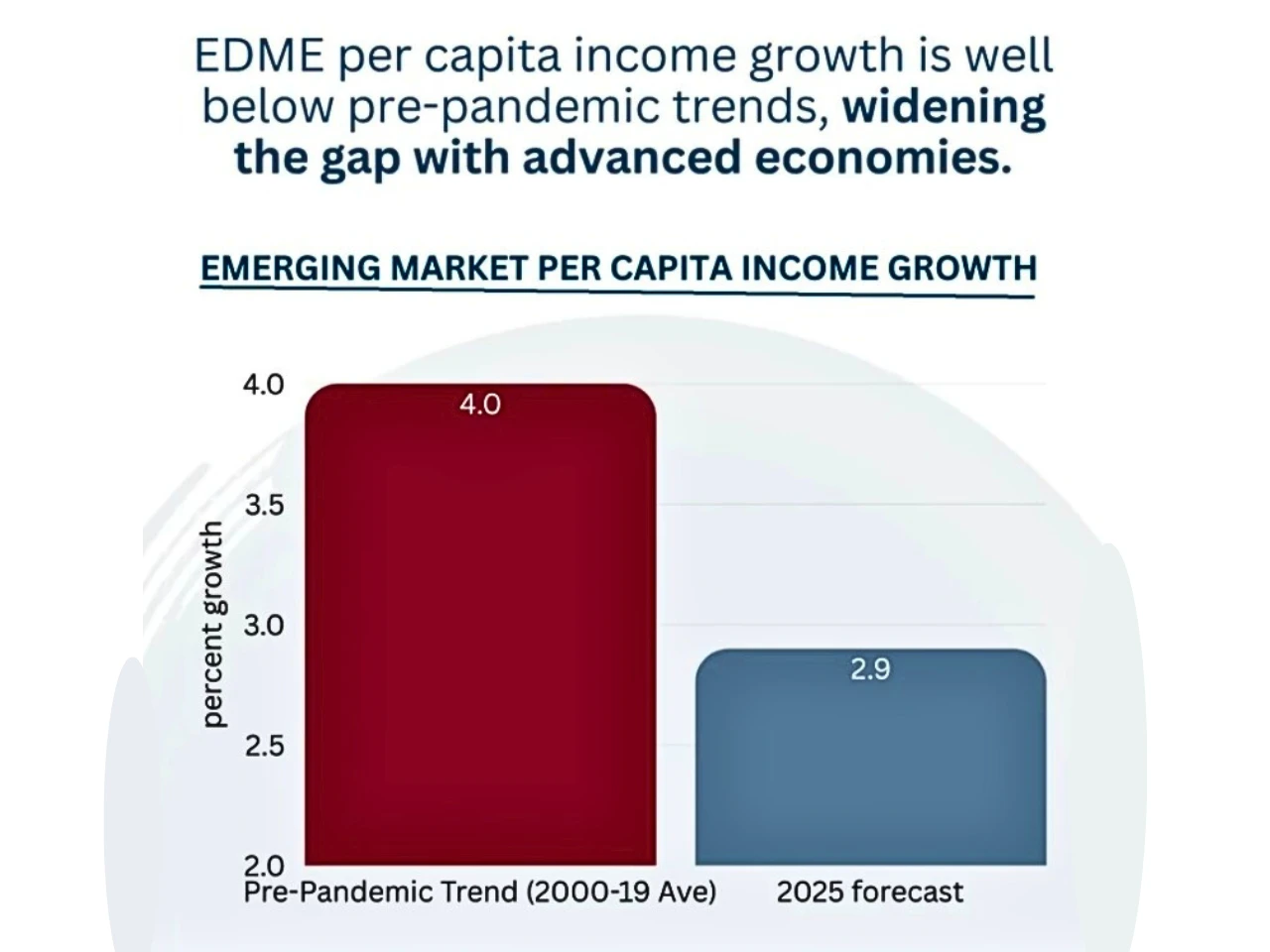
The graph is show the per capita income growth in pre-pandemic trend and comare the 2025 forecast data
Explained ·Mar 6, 2026

World Bank Warns of Stunted Global Growth: 2.3% Forecast for 2025

Investments in emerging markets and developing economies (EMDEs) expanded at an annual rate of 7% from 2000 to 2010; however, the annual rate has declined to less than 4% in the current decade. This weakness is a direct attack on productivity growth and development outcomes. Without stronger investments in infrastructure, clean energy technologies, education, and technology, many economies will increasingly fall behind in their progress of poverty mitigation and income convergence with the developed world.

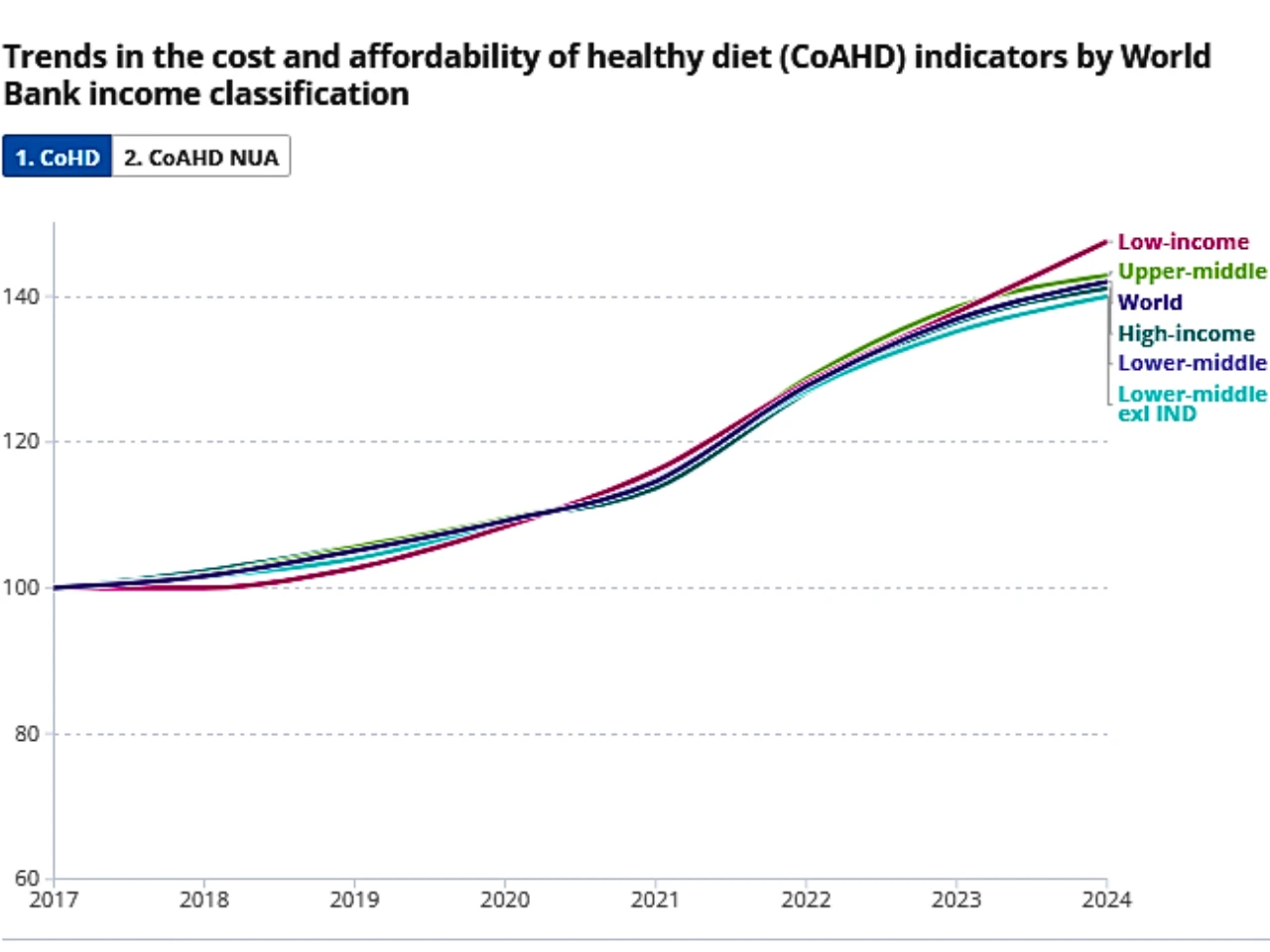
The Rising Cost of Nutrition statistics graph
Explained ·Mar 5, 2026

The Rising Cost of Nutrition: Can everyone afford a healthy diet?

The (SOFI) report of 2025 says that low-income nations, especially those in Sub-Saharan Africa, need to become a global movement towards more affordable, healthy diets. Based on the report, even if the global average price of a healthy meal increases to $4.46 per individual per day in 2024, only 48.8 million fewer individuals would still not be in a position to afford it, leaving close to 2.6 billion individuals in poverty.

G20 Trade Trends Graph
Explained ·Mar 4, 2026

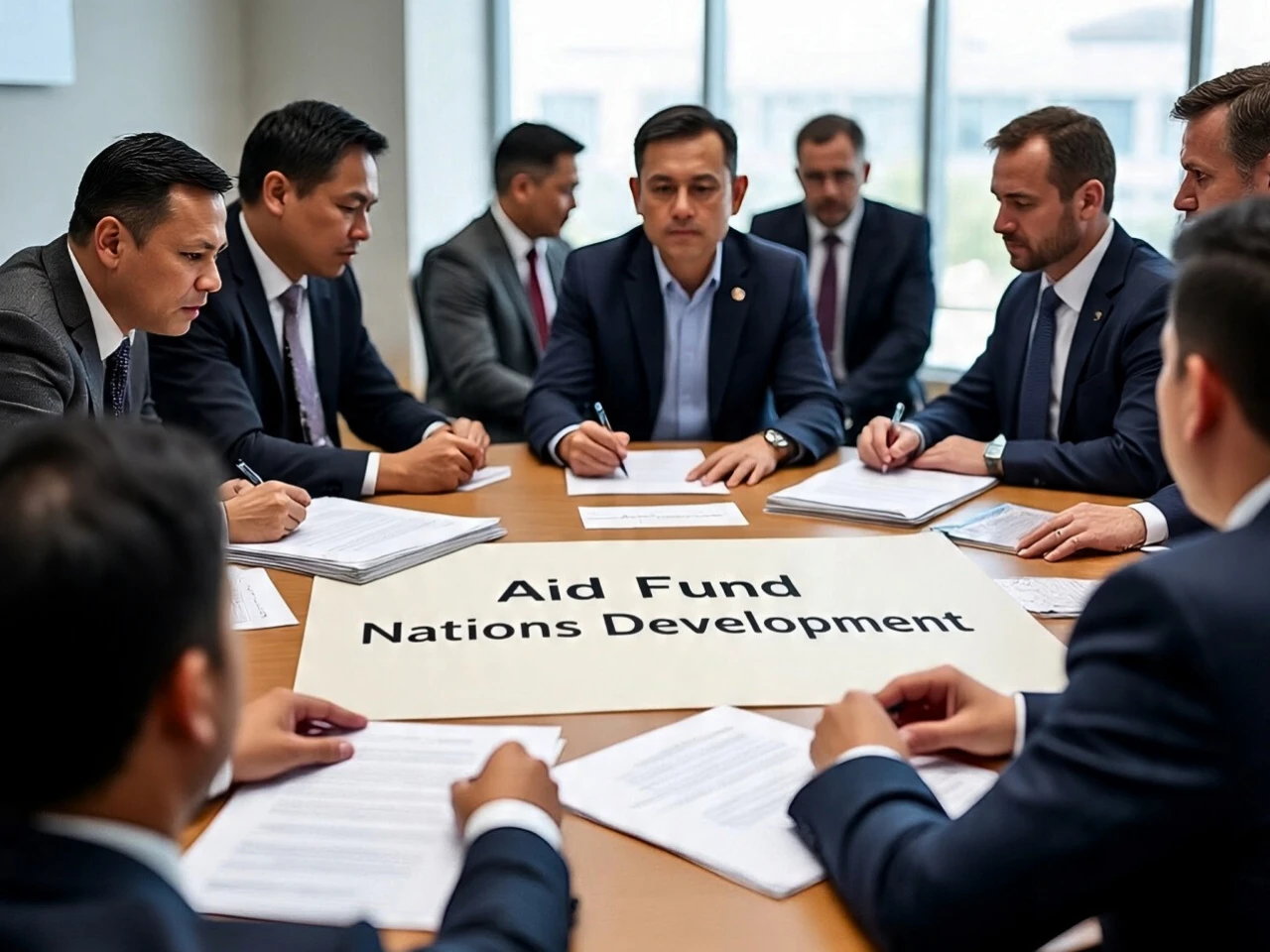
Blended Finance: Bridging Fragmented Aid and Development Needs

The International Development Association (IDA), sees more than 90% of its financing go through national budgets and gets each donor dollar to translate into $3 to $4 in tangible results, representing the importance of scale and management.

Economy growing fast, but youth employment isn't keeping up
Explained ·Mar 3, 2026

Economy growing fast, but youth employment isn't keeping up

Youth unemployment remains high across many pats of Asia and the Pacific unemployment rates, 2025. Young people are willing and able to work but do not get jobs; they face many struggles and obstacles in the world.

Industrial Robotics that Leads to Economic Growth
Explained ·Mar 2, 2026

Industrial Robotics that Leads to Economic Growth

The world’s factory automation powerhouse in 2023, with a dominant 72% of all newly executed industrial robots worldwide. The market is rising due to the growing need for automation in a variety of industries, as well as the margins caused by increasing labor costs and shortages.

DEBT BURDEN: A BARRIER TO SUSTAINABLE GROWTH IN DEVELOPING COUNTRIES
Explained ·Mar 1, 2026

Debt Burden: A Barrier to Sustainable Growth in Developing Countries

A World of Debt indicated that, by 2024, global public debt was $102 trillion, and developing nations had $31 trillion, nearly one-third of that total, taking on the highest yearly interest of $921 billion ever. The debt growth is stressing budgets, limiting essential public services; progress towards a sustainable future is under threats.

Return On Investment In Nutrition
Explained ·Feb 28, 2026

Return On Investment In Nutrition

Nutrition investment is one of the most cost-effective development initiatives and comes with significant financial incentives. Obesity and undernutrition are major contributors to the Human Capital Index, which measures human capital.